Interior Selective Demolition In Dallas TX
Interior selective demolition in Dallas, TX, is becoming increasingly preferred amongst residential or commercial property owners. This technique enables the careful elimination of non-structural components, which can improve the aesthetic appeal of a space while maintaining its integrity. With a concentrate on sustainability and very little waste, this method serves various fields. Nonetheless, understanding the nuances of the procedure and its ramifications is important for anyone taking into consideration such a task. What aspects should be taken into consideration?
Recognizing Selective Demolition
While several building and construction jobs need full demolitions, selective demolition uses a more targeted approach. This approach involves the mindful removal of certain frameworks or aspects within a building, permitting remodellings and upgrades without the demand for total damage. legendary demolition dallas. Selective demolition is frequently used to maintain existing materials or architectural functions that might hold visual or historic worth
Benefits of Interior Selective Demolition
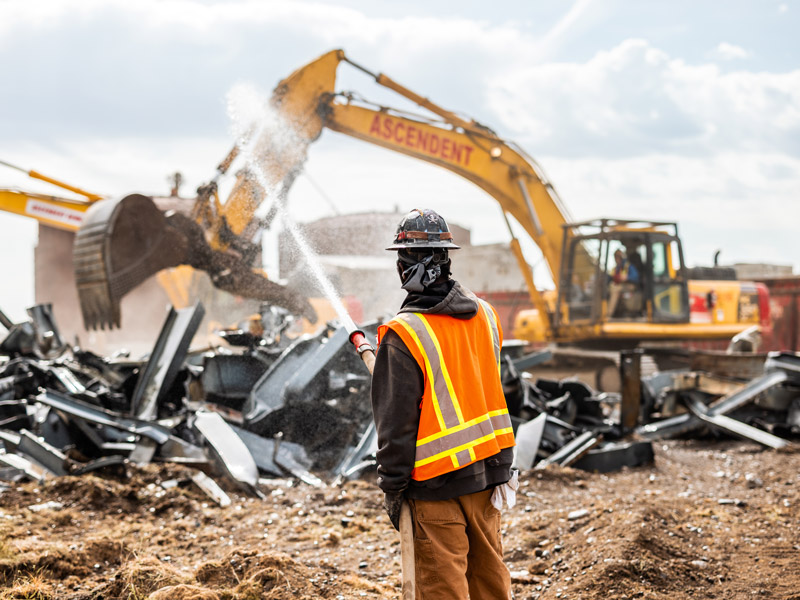
Various advantages go along with indoor selective demolition, making it an attractive selection for many restoration jobs. One significant benefit is the ability to preserve existing structures while eliminating just the necessary components, thus lessening waste and advertising sustainability. This procedure permits for reliable use resources, usually resulting in lower disposal costs and a minimized ecological footprint.
Furthermore, indoor selective demolition can expedite remodelling timelines. By concentrating on particular locations, professionals can minimize and streamline process interruption to bordering areas. This technique also offers greater adaptability in style, allowing homeowner to reimagine their insides without the requirement for comprehensive restorations.
In addition, it can boost security by systematically getting rid of harmful materials, such as asbestos or lead, which may be present in older structures. Overall, interior selective demolition stands out as a green and functional option for those aiming to update or repurpose their areas successfully.
Common Tasks for Selective Demolition
Interior selective demolition is typically made use of in a range of projects, varying from commercial restorations to domestic upgrades. In industrial setups, it regularly includes the elimination of non-structural elements such as dividers, ceilings, and floor covering to create open spaces for new formats. Retail facilities typically undertake selective demolition to revitalize their insides and adapt to altering customer preferences.
In domestic jobs, property owners may choose selective demolition to improve outdated kitchen areas or shower rooms, removing fixtures and cabinetry without compromising the whole structure. legendary demolition dallas reviews. Additionally, selective demolition is commonly used in historical renovations, enabling the preservation of building stability while updating necessary systems
The Selective Demolition Process
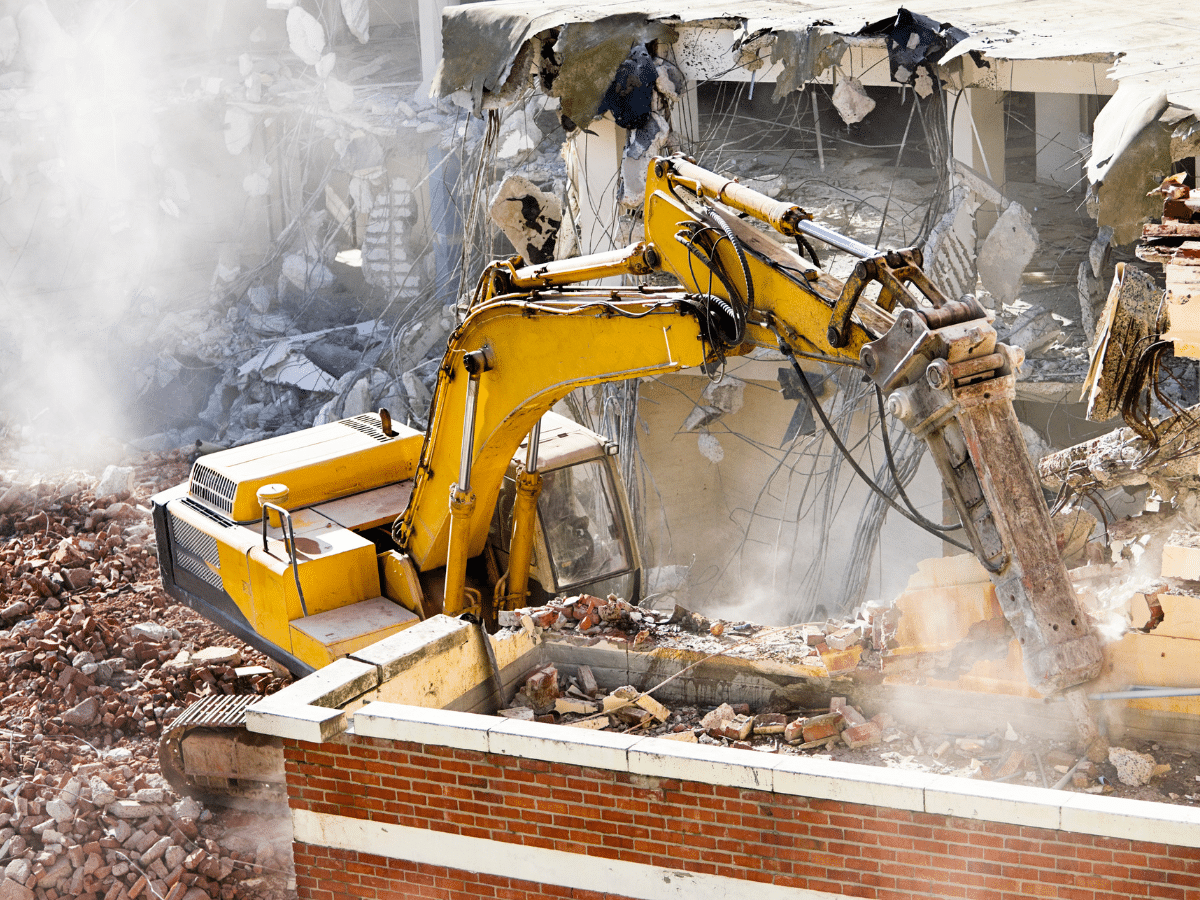
The selective demolition process involves an organized technique to taking apart specific components of a framework while maintaining the stability of the staying framework. This procedure begins with a comprehensive assessment of the structure, recognizing which parts need elimination and which needs to be maintained. Thorough planning follows, in which the team demolition hauling develops a timeline, assigns sources, and figures out the needed tools and equipment.
When preparation is total, the demolition group very carefully removes designated products, such as wall surfaces, fixtures, and floor covering, using specialized strategies to minimize disruption. They utilize methods that ensure the secure handling and disposal of unsafe products, if present. Throughout the demolition, attention is paid to architectural assistance, making sure that the general security of the building stays intact. Lastly, the procedure ends with extensive cleaning and waste management, allowing for a smooth change to succeeding remodelling or building stages.
Safety And Security Considerations in Selective Demolition
Security factors to consider in selective demolition are crucial, as the procedure can posture numerous dangers to employees and the surrounding atmosphere. Correct preparation and danger evaluation are vital to recognize potential risks, such as falling debris, direct exposure to hazardous products, and architectural instability. Employees must be learnt safe practices and equipped with ideal individual safety tools (PPE) to minimize these threats.
Furthermore, establishing clear communication and safety and security methods is important to ensure that all team participants recognize their duties and the certain risks existing on-site. Signs and obstacles must be utilized to limit accessibility to dangerous locations, protecting both workers and the general public. Routine safety and security audits and adherence to regional policies further boost safety and security actions. By prioritizing these considerations, selective demolition projects can be executed successfully while decreasing the danger of injuries and mishaps, ultimately cultivating a safer job atmosphere.
Choosing the Right Service Provider
Selecting the appropriate professional for indoor selective demolition is important, as their knowledge can significantly impact the project's success. A professional professional needs to have a solid understanding of neighborhood regulations, safety and security protocols, and the subtleties of selective demolition procedures. It is necessary to examine potential service providers based on their experience, online reputation, and previous jobs.
Prospective customers must look for references and read reviews to determine the professional's dependability and high quality of handiwork. In addition, assessing their interaction abilities can give understanding into how their website well they will handle the job timeline and address worries.
It is advisable to request multiple quotes to compare services and ensure a fair assessment of abilities. Eventually, selecting a service provider that straightens with the task's details demands and shows a commitment to safety and security and quality will enhance the likelihood of a reliable and successful demolition procedure.
Expense Consider Selective Demolition
Price variables in selective demolition can differ substantially based on numerous vital aspects. The size and intricacy of the task substantially affect costs; bigger rooms or complex designs might need more labor and time. In addition, the kind of materials being removed plays an important duty; harmful materials, such as asbestos, demand specialized handling and disposal, boosting expenses. Labor prices in Dallas likewise influence the general budget plan, with proficient laborers regulating higher incomes.
The demand for licenses and adherence to local guidelines can introduce extra prices, as compliance is crucial. Devices rental fees for machinery might additionally add to the complete expense. The timeline for job conclusion can affect expenses, as expedited solutions typically incur higher prices. Understanding these aspects makes it possible for residential property proprietors to better prepare their budget plans for selective demolition jobs in Dallas.
Regularly Asked Concerns
How Much Time Does Interior Selective Demolition Normally Take?
Usually, indoor selective demolition can take anywhere from a few days to numerous weeks, depending on the task's complexity, dimension, and particular needs. Factors such as permitting and website conditions likewise affect the timeline significantly.
What Kinds of Materials Are Commonly Gotten Rid Of During Selective Demolition?
Frequently gotten rid of materials during selective demolition consist of drywall, floor covering, ceiling tiles, pipes fixtures, electrical systems, and cabinets - demolition contractor near dallas. This process enables for targeted improvement while reducing waste his comment is here and protecting architectural integrity of the remaining building aspects
Are Permits Needed for Interior Selective Demolition Projects?
Authorizations are often needed for indoor selective demolition tasks, relying on neighborhood regulations and the scope of work. Compliance assurances security and adherence to building regulations, eventually protecting the stability of the surrounding structure.
Can I Live in My Home During Selective Demolition?
Yes, one can live in their home during selective demolition, yet it often depends on the level of the job. Appropriate safety measures and interaction with service providers are important to guarantee safety and decrease disruption.
What Should I Do to Prepare for Selective Demolition?
To plan for selective demolition, one need to get rid of personal possessions from the workspace, cover furniture, inform next-door neighbors of possible noise, and assure all energies come for the service providers. Security safety measures must also be developed.
While lots of building projects need complete demolitions, selective demolition supplies a much more targeted approach. Many benefits come with interior selective demolition, making it an appealing option for numerous improvement jobs. Interior selective demolition is frequently made use of in a range of tasks, ranging from business remodellings to household upgrades. Choosing the appropriate professional for indoor selective demolition is important, as their know-how can greatly affect the task's success. Licenses are usually required for indoor selective demolition projects, depending on regional policies and the range of job.